
Coyote Hunting Traps for Trade: 130 & 150 cm Live Traps
A coyote box trap buyer has two sizes to choose from: 130×45×50 cm and 150×50×55 cm, the two large live traps in our range, both built with 4 mm galvanized wire and 5×5 cm mesh, with two doors as standard and a single-door version available in each size. Both are live-catch cage traps: the animal steps on the trip plate, the doors close and lock, and it is caught alive. Minimum order is 10 sets, standard or custom, and samples are free with the buyer paying the shipping.
Explore Options
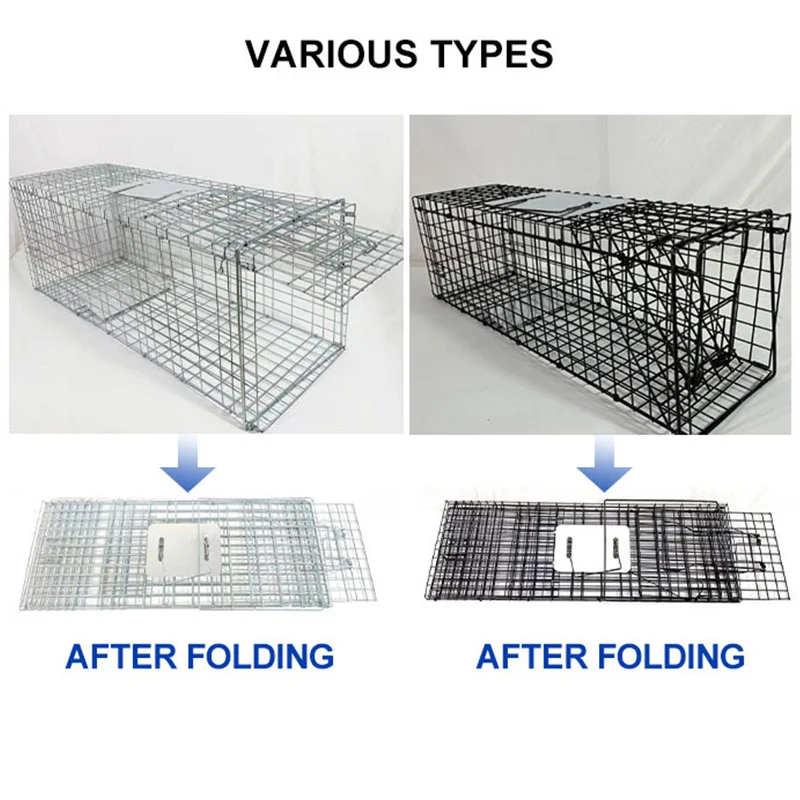
The volume coyote size for one-person handling from a van or truck bed.
Request a Quote
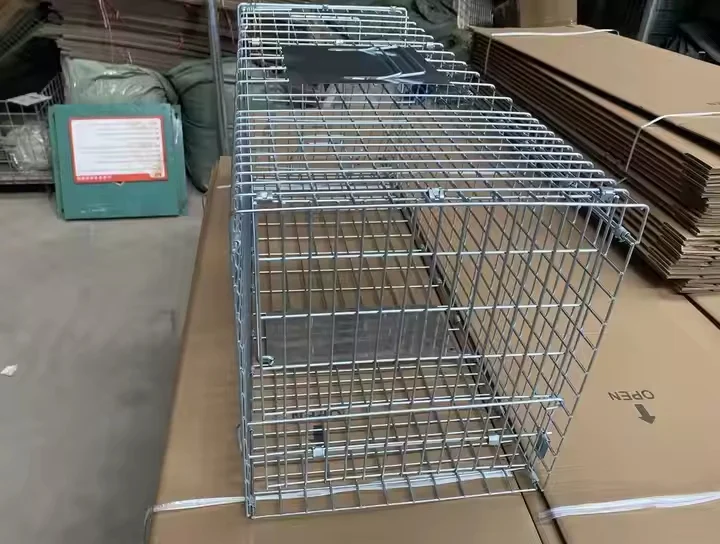
The roomier size for larger animals and buyers who move traps by vehicle.
Request a Quote
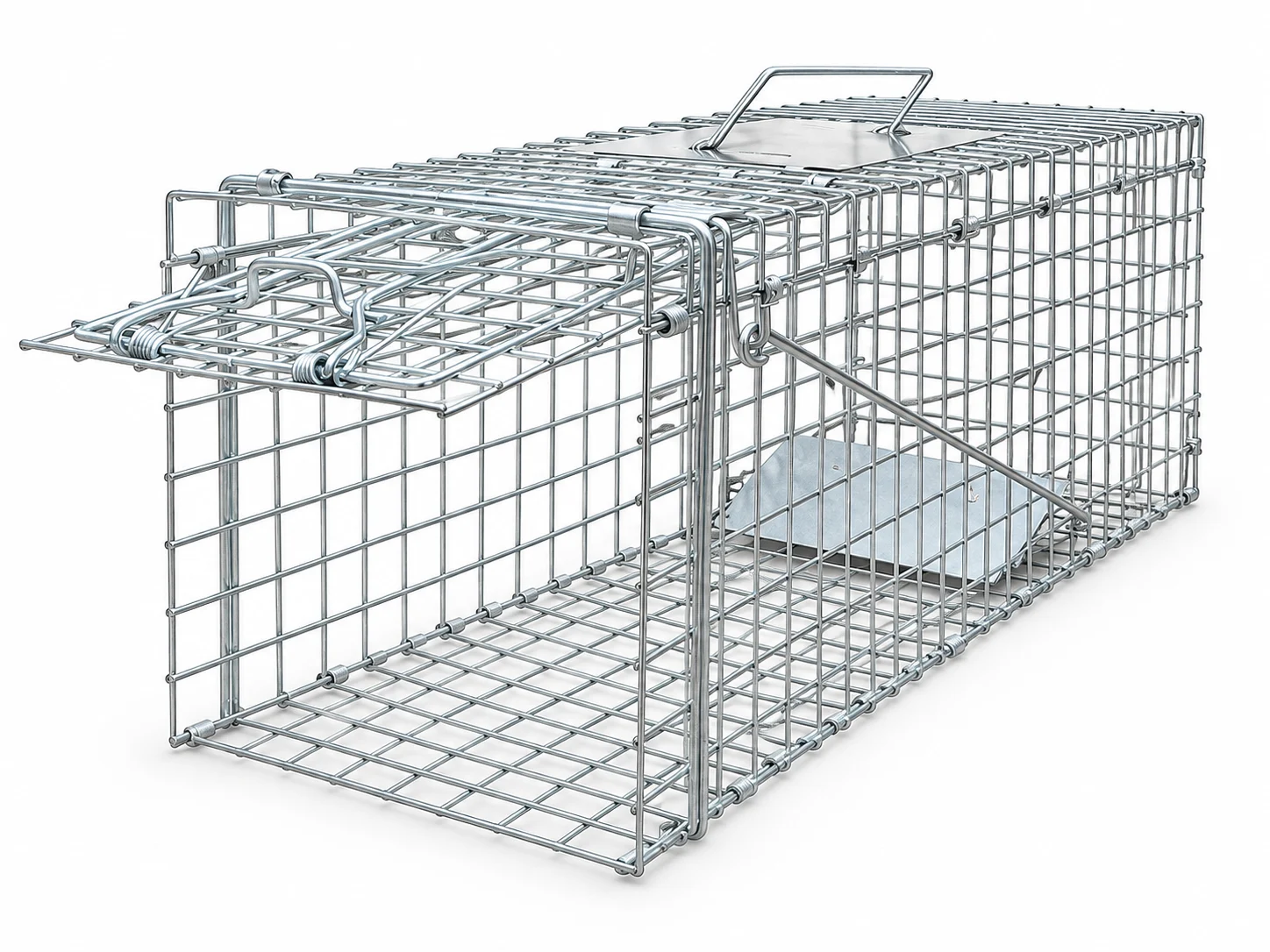
For customers who bait against a closed end and want the simplest set-up.
Request a Quote
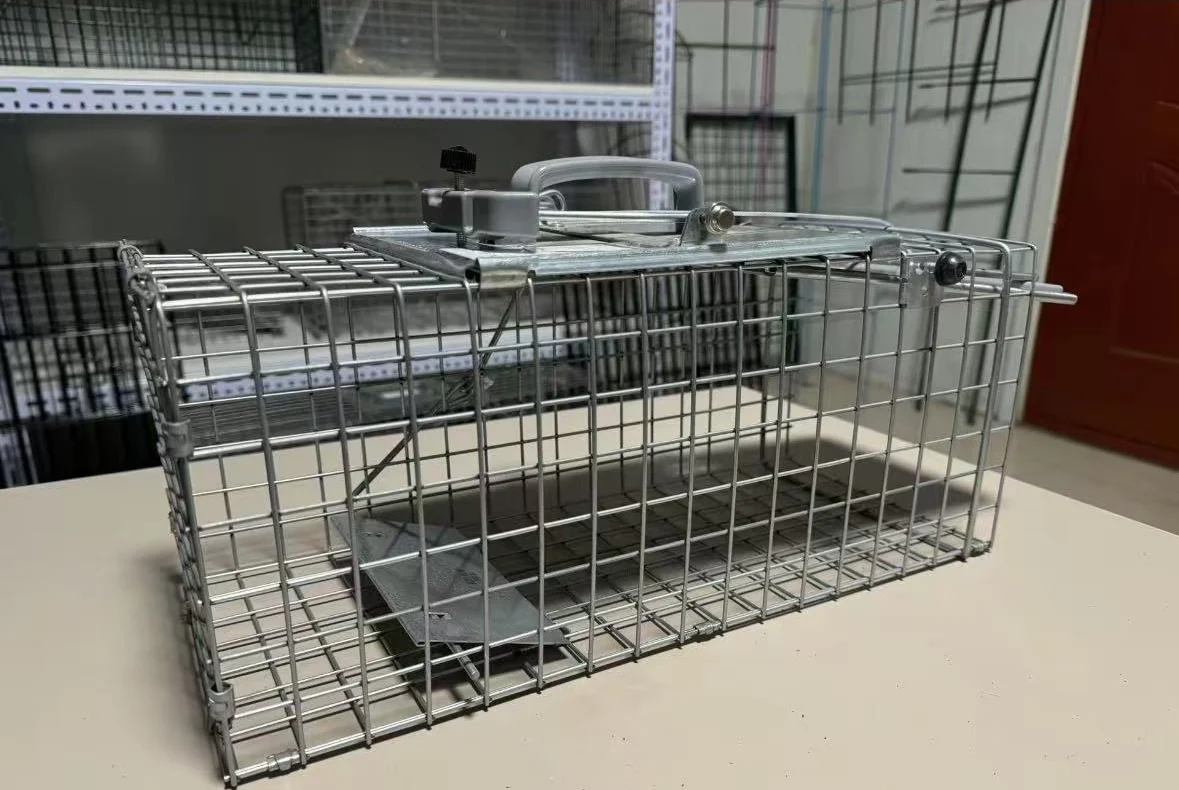
The large-size single-door build for straightforward retail ranges.
Request a Quote
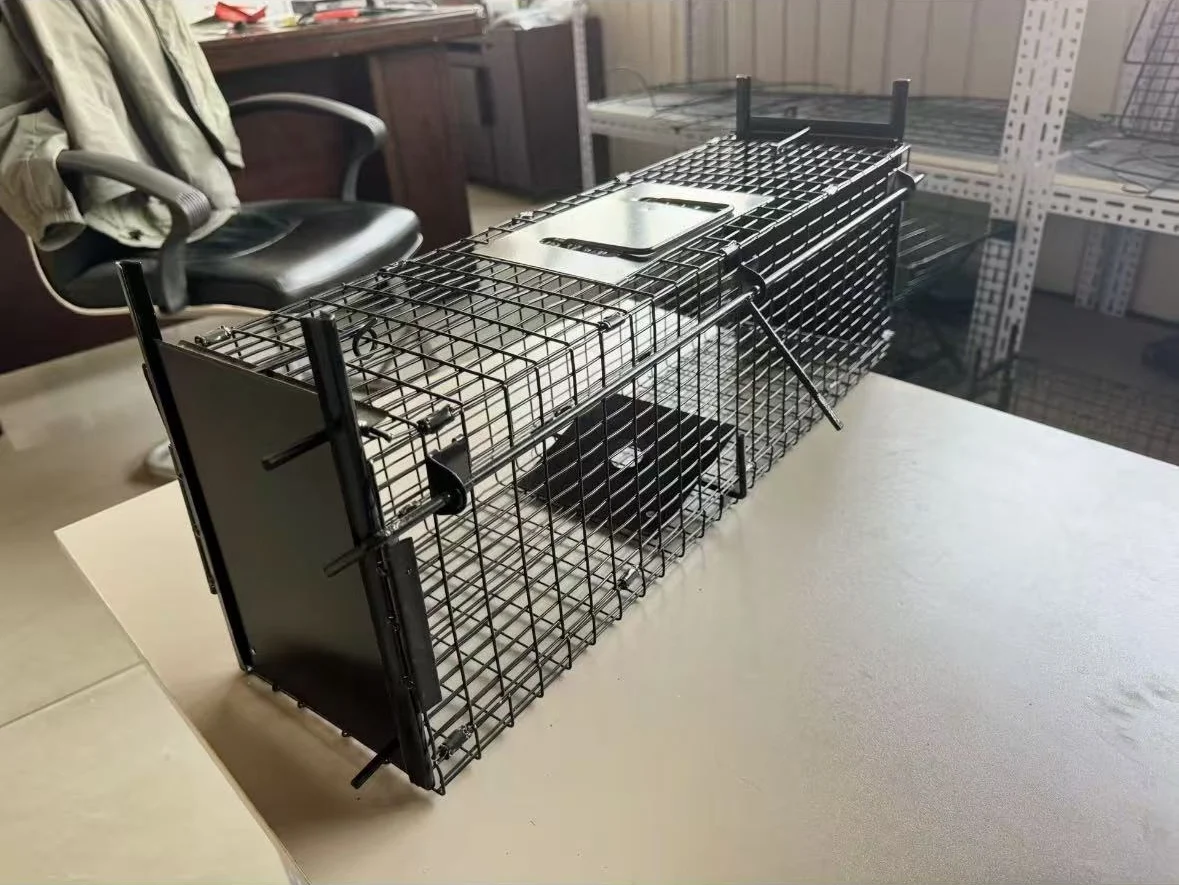
For retail listings and urban or suburban work where a low-profile trap sells better.
Request a Quote
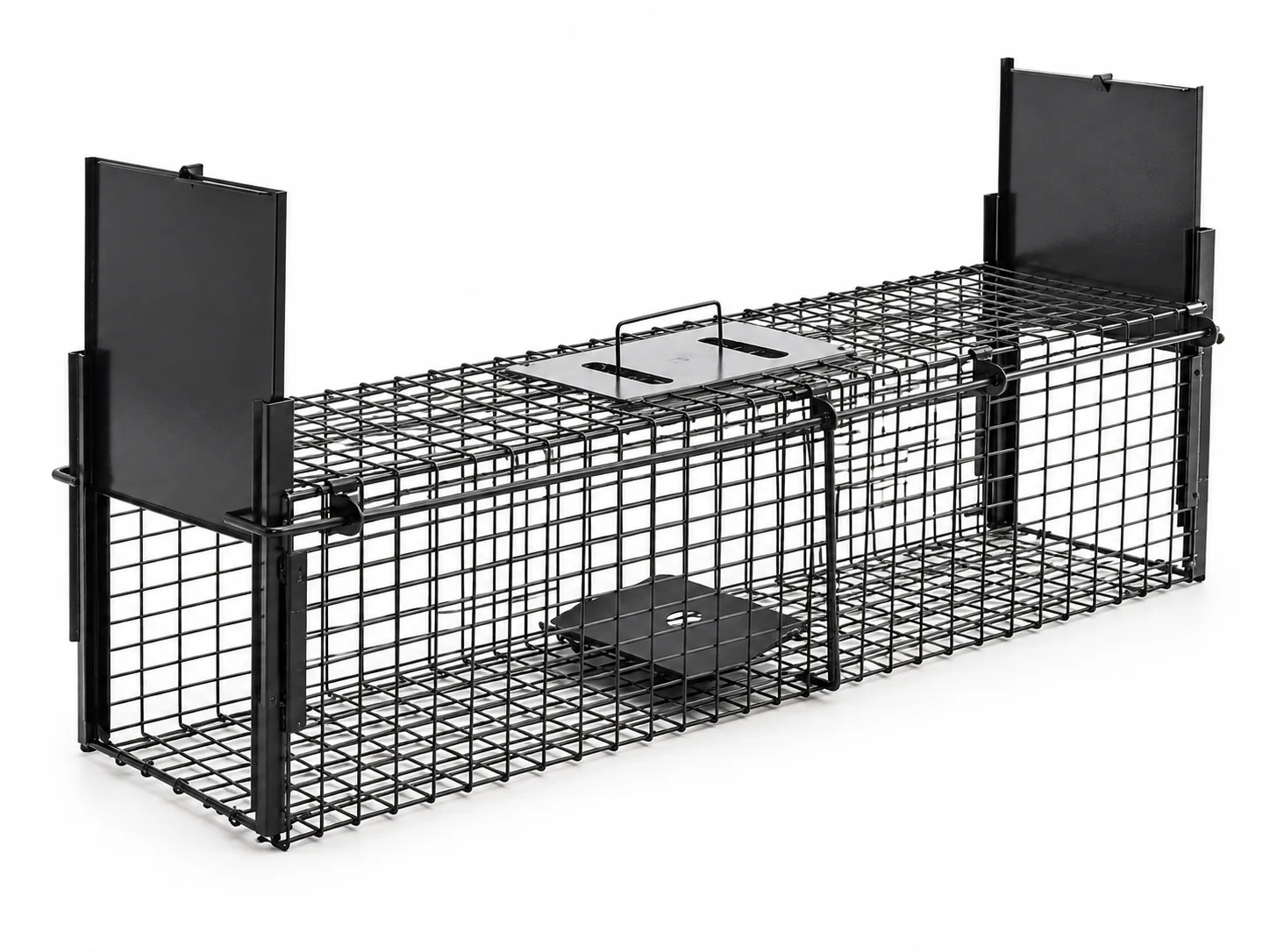
The premium black version of the large size for private-label lines.
Request a Quote
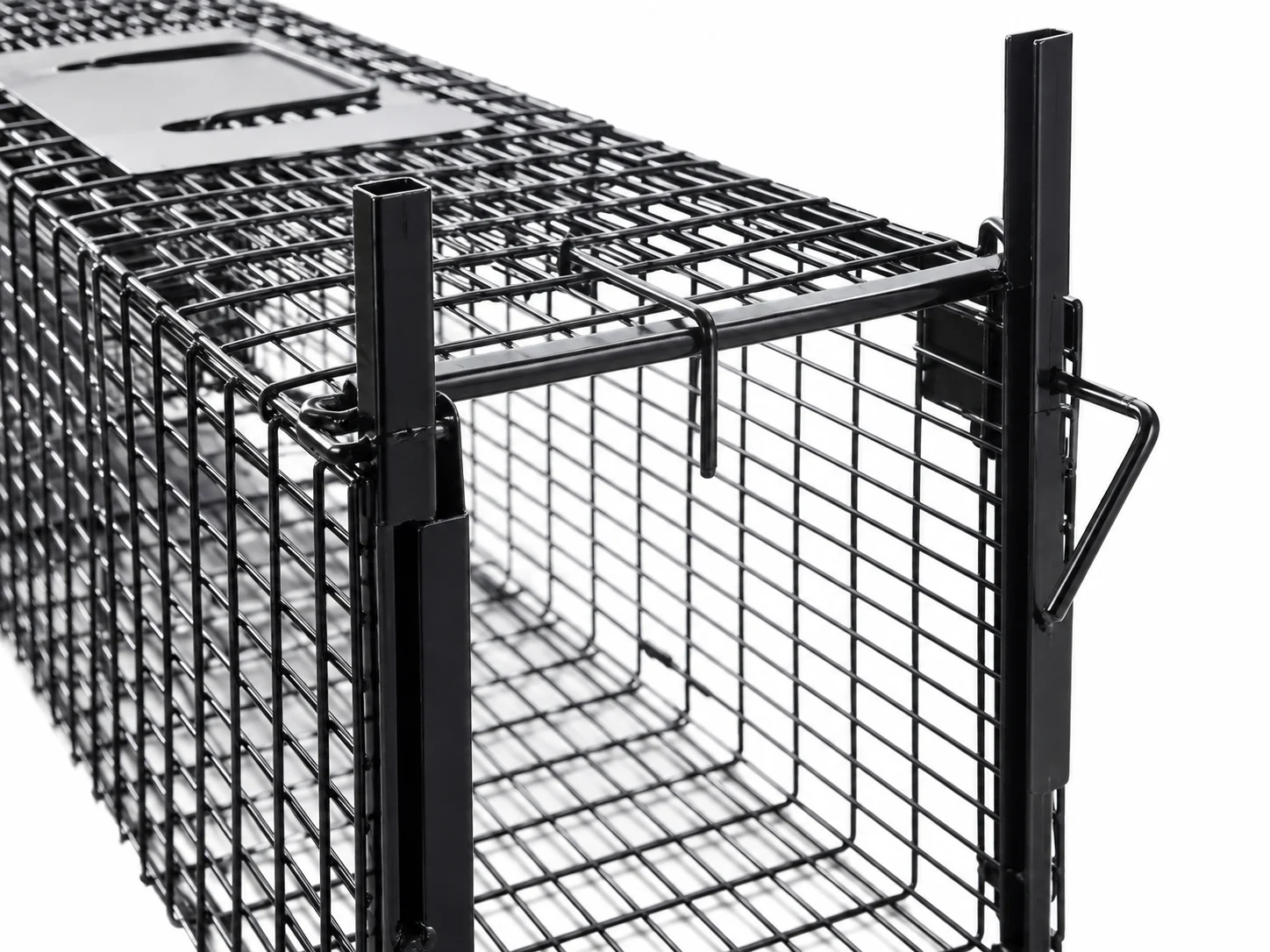
For buyers who specify stainless steel instead of the standard galvanized wire.
Request a Quote
For Amazon and marketplace sellers launching their own brand at 10 sets.
Details · Request a Quote
For sellers building a two-size branded range around a premium trap.
Details · Request a Quote
For distributors who want rat, raccoon, fox and coyote sizes in one first order.
Request a Quote
What a coyote hunting traps order from us covers
An order is a run of folding cage traps built to the sizes you choose, packed in cartons, and shipped from a main Chinese port. You can order the standard double-door model in galvanized silver, or specify single door, another finish, another material or your own logo and packaging, from 10 sets.
What the order does not cover is how you use the trap in the field. Please check local rules before you sell or operate any coyote box trap or other live trap, because wildlife rules differ from place to place, because wildlife rules differ from place to place.
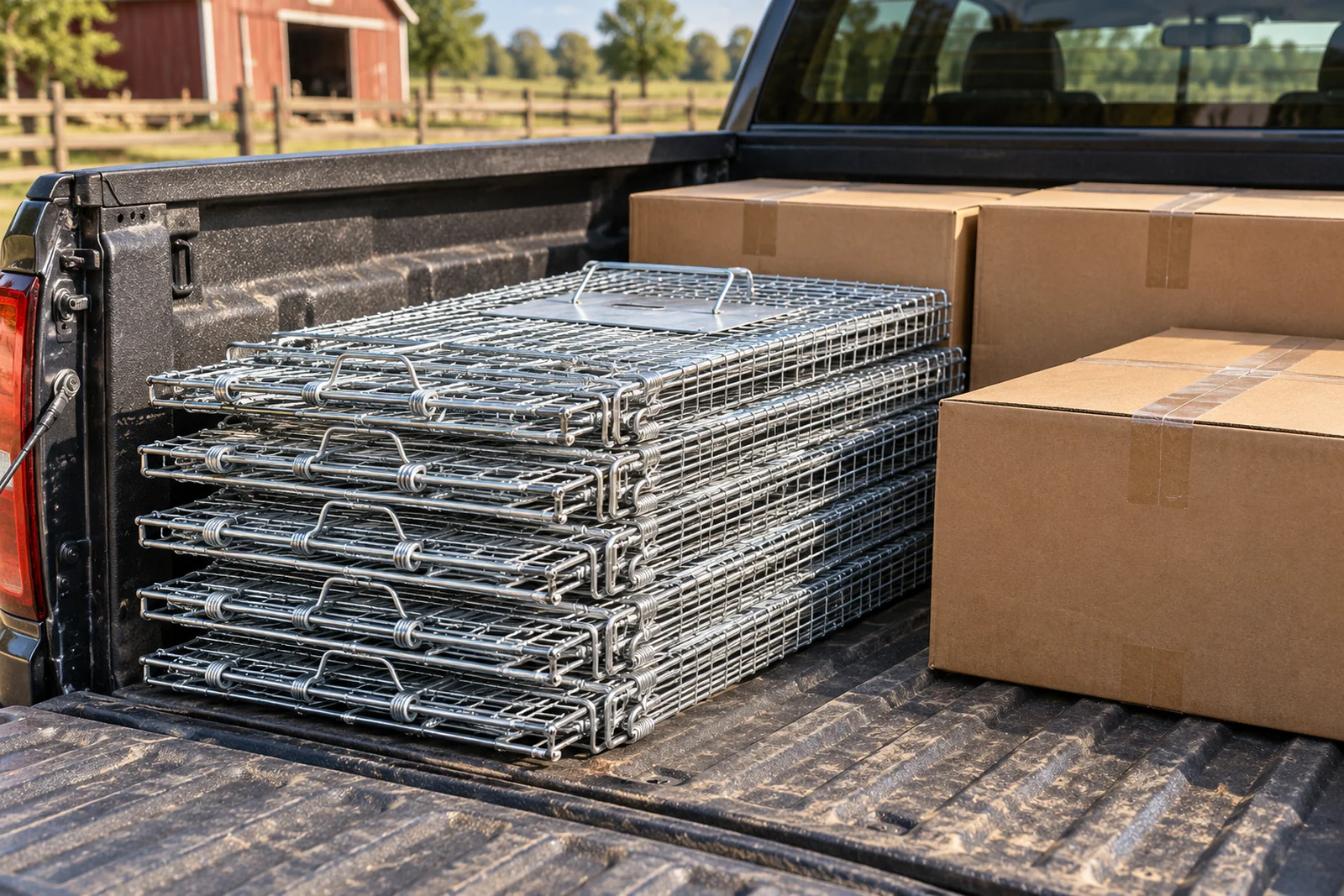
The two sizes exist because coyotes vary a lot in body length and because buyers use these traps for different jobs. As a guide, based on common North American practice rather than a factory rule, a 130 cm trap is the compact coyote box trap option for a truck bed, a small pest-control van or a retail shelf. The 150 cm trap is the roomier option: more length past the trip plate and more height for a tall animal to walk in without crouching. Both fold flat, so storage and freight volume stay manageable.
Wire is the other half of the story. The 130 cm and 150 cm sizes use 4 mm wire, the heaviest in our range. The 5×5 cm mesh is the same specification used on the 108 cm size and above, while the smaller sizes use 2.5×2.5 cm mesh.
If you are new to the category, the useful way to read this page is as a buying page, not a field manual. Start with the size question, then door style, then finish and packing, then order terms. Each section below is written so you can hand the page to a customer or a colleague and they reach the same decision.
What you can customize on a coyote trap order
Every specification below can be set per order, and none of it raises the minimum beyond 10 sets.
Size. The 130 cm and 150 cm sizes are the coyote-oriented options, but you can mix them with smaller sizes in one order. Distributors often build a range so a single container or a single catalogue serves rat, raccoon, fox and coyote customers at once. The cage trap size guide sets out the full seven-size ladder with wire, mesh and weight for each.
Door type. The standard model has two doors. A single-door version is available in every size. Some buyers choose single door so the bait sits against the closed end; others choose double door for a see-through design. The single vs double door comparison covers this choice in more detail.
Material. Standard material is galvanized steel wire. Stainless steel and other materials can be made on request. Stainless is an option when a buyer specifies it; galvanized is the standard build.
Finish. Electro-galvanized silver is the standard. Black powder or plastic coating can be made on request. The finish is a specification choice, not a change in how the trap works.
Logo and packaging. Private label is available with no extra minimum: your logo on the trap and on retail boxes, printed cartons, inserts and barcodes. See OEM and private label for the full list.
Mixed orders. You do not have to commit to one size or one configuration. A first order of 10 sets can be split across sizes and options so you can test what sells before you scale. That is the usual path for a new distributor or a new Amazon listing.
Options and specifications for coyote-sized traps
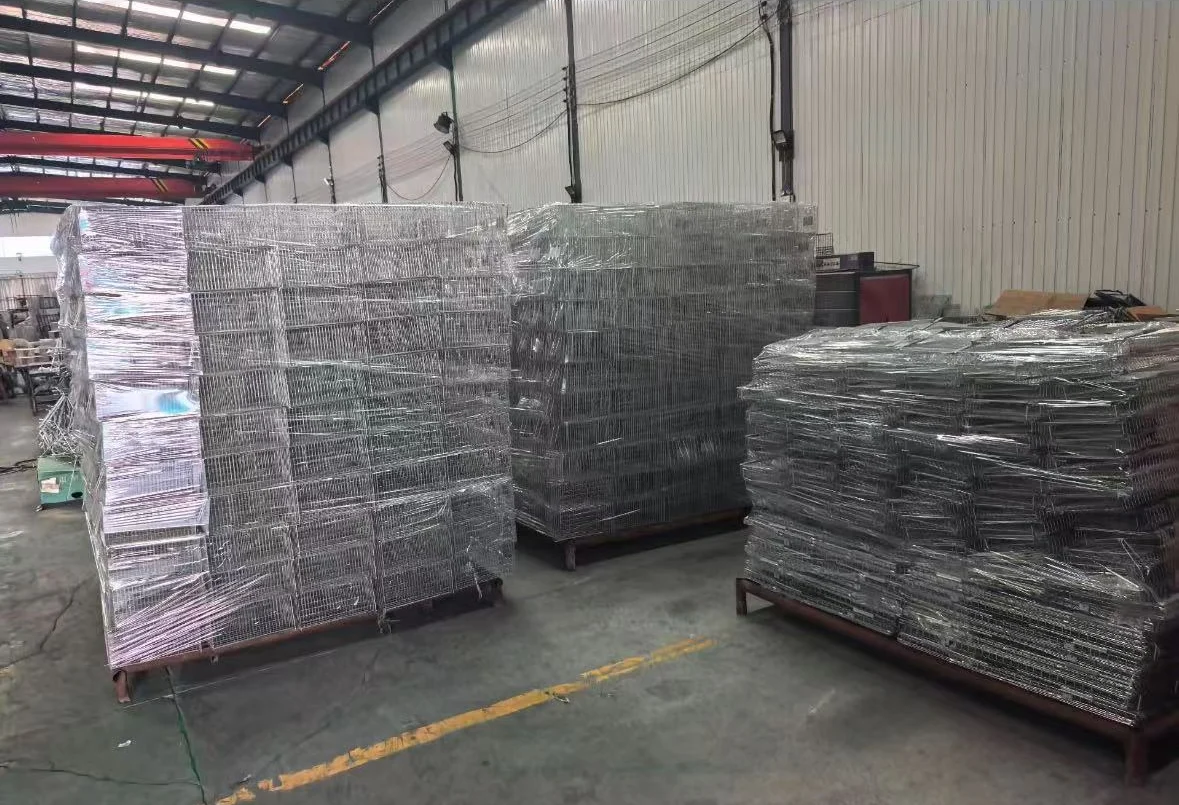
The table below shows the two coyote-oriented sizes and how each option fits. The typical-use column is our sizing judgement based on common North American practice, not a factory rule; coyote body sizes vary by region.
| Size (L×W×H) | Wire | Mesh | Weight | Doors | Material / finish options | Typical use (guide) |
|---|---|---|---|---|---|---|
| 130×45×50 cm (51×18×20 in) | 4 mm | 5×5 cm | 11.5 kg | Double standard; single on request | Galvanized silver standard; black powder or plastic coating on request; stainless steel on request | Coyotes, medium dogs |
| 150×50×55 cm (59×20×22 in) | 4 mm | 5×5 cm | 19.5 kg | Double standard; single on request | Galvanized silver standard; black powder or plastic coating on request; stainless steel on request | Large dogs, coyotes |
Three things to notice in that table.
Wire jumps to 4 mm at this end of the range. The smallest size in our range uses 2 mm wire and the mid sizes use 2.5 mm or 3 mm. The 130 cm and 150 cm sizes step up to 4 mm wire. If a customer is comparing your trap with a lighter build, wire thickness is the specification to point at.
Mesh is 5×5 cm on both sizes. The small sizes use 2.5×2.5 cm mesh; from 108 cm upward the mesh opens to 5×5 cm, so these two sizes share the larger mesh with the 108 cm size.
Weight is the trade-off you cannot design away. The 130 cm trap weighs 11.5 kg and the 150 cm trap weighs 19.5 kg. Buyers expecting frequent movement between sets often prefer the lighter size; buyers moving traps by vehicle often accept the heavier one. Weight and wire strength go together: 4 mm wire is what makes these traps hold up to a strong animal, and it is also what makes them heavier than the small sizes.
All seven sizes are the same design made in proportion, and all fold flat. That matters for freight: a folded trap packs at a fraction of its set-up volume, so cartons stay small relative to the product.
Where coyote-sized live cage traps are used
These two sizes are bought by four broad groups, and each uses them differently.
Pest-control and wildlife-control companies. These buyers use live traps where a customer wants an animal removed without lethal methods, or where a site is sensitive: a school, a fenced yard with pets, a suburban lot. Coyote work usually comes through farm, ranch and rural-residential calls. For this group the 130 cm size is the workhorse and the 150 cm is the option for larger animals and longer holds. Companies usually stock both and let the field technician choose. Our applications page lists the settings these traps are typically sold into.
Distributors and hardware or farm-supply sellers. These buyers care about a clean size ladder, predictable carton counts and a product that explains itself on the shelf. Coyote traps are a low-volume, high-consideration line: the customer who asks for one usually has a specific problem. Carrying both sizes lets a counter clerk ask two questions and make a sale.
Rescue and TNR groups. TNR work is mostly cats, which sit in the 79 cm and 94 cm sizes, but some groups handle larger animals and need a trap that is big enough not to injure. Groups typically buy a mixed order and appreciate free samples so they can test handling before committing. See the TNR trap guide for that buying pattern.
Private-label and Amazon sellers. These buyers want a differentiated product with their own brand, a retail box and a listing that stands out. Coyote traps are a strong niche because the buyer intent is specific and the competition is thin. Sellers usually start with one size, prove the listing, then add the second size and the black finish. The live traps for coyotes guide covers the field side of this product for sellers who need to write listings.
Whatever the channel, the same point applies: the trap is a tool, and the rules for using it sit with the end user, not with the trap. Point buyers to their local wildlife authority rather than giving advice on relocation yourself.
Request a QuoteSize calculator
Key trade-offs when choosing a coyote trap
There is no single best size, and any honest answer depends on how the trap will be handled and sold.
130 cm vs 150 cm. The 130 cm size holds less and weighs 11.5 kg, so it suits one-person handling, small vehicles and lower freight cost per unit. The 150 cm size is 19.5 kg and gives more length past the trip plate and more height, so it suits larger animals and buyers who can move the trap with a vehicle. If your customers are mostly single operators working from a car, the 130 cm is the safer default. If your customers are farms, ranches or crews with a truck, the 150 cm justifies its extra weight.
Double door vs single door. Double door is our standard and the easier trap to explain: the animal sees through and walks in. Single door suits buyers whose customers bait against a closed end and want fewer moving parts to teach. For coyote work specifically, cautious animals often respond better to a see-through double-door trap, though that is a field judgement and results vary with the animal and the setting. Where your market is price-sensitive, a single-door build is simpler; where your market is performance-sensitive, keep double door as the headline.
Galvanized vs stainless. Galvanized wire is the standard material. Stainless is made on request when a buyer specifies it. Neither choice changes the trap’s function; the difference is the material supplied.
Silver vs black finish. Silver is the standard finish. Black powder or plastic coating can be made on request. The finish is a specification choice, not a change in how the trap works.
Size ladder vs single size. A distributor selling one size solves one problem. A distributor selling three or four sizes across the range answers most counter questions and raises the average order. If your storage and freight budget is tight, start with the 130 cm plus a smaller size that turns over faster; if you already sell pest-control lines, add the 150 cm as the premium option.
Weight vs strength. Heavier wire means a trap that holds up to a strong animal, and it also means a trap that is harder to carry. You cannot get 4 mm strength at 2 mm weight. Be honest with your customers about this on the listing, because a return from a buyer who expected a light trap is expensive.
Packing, lead time and range fit
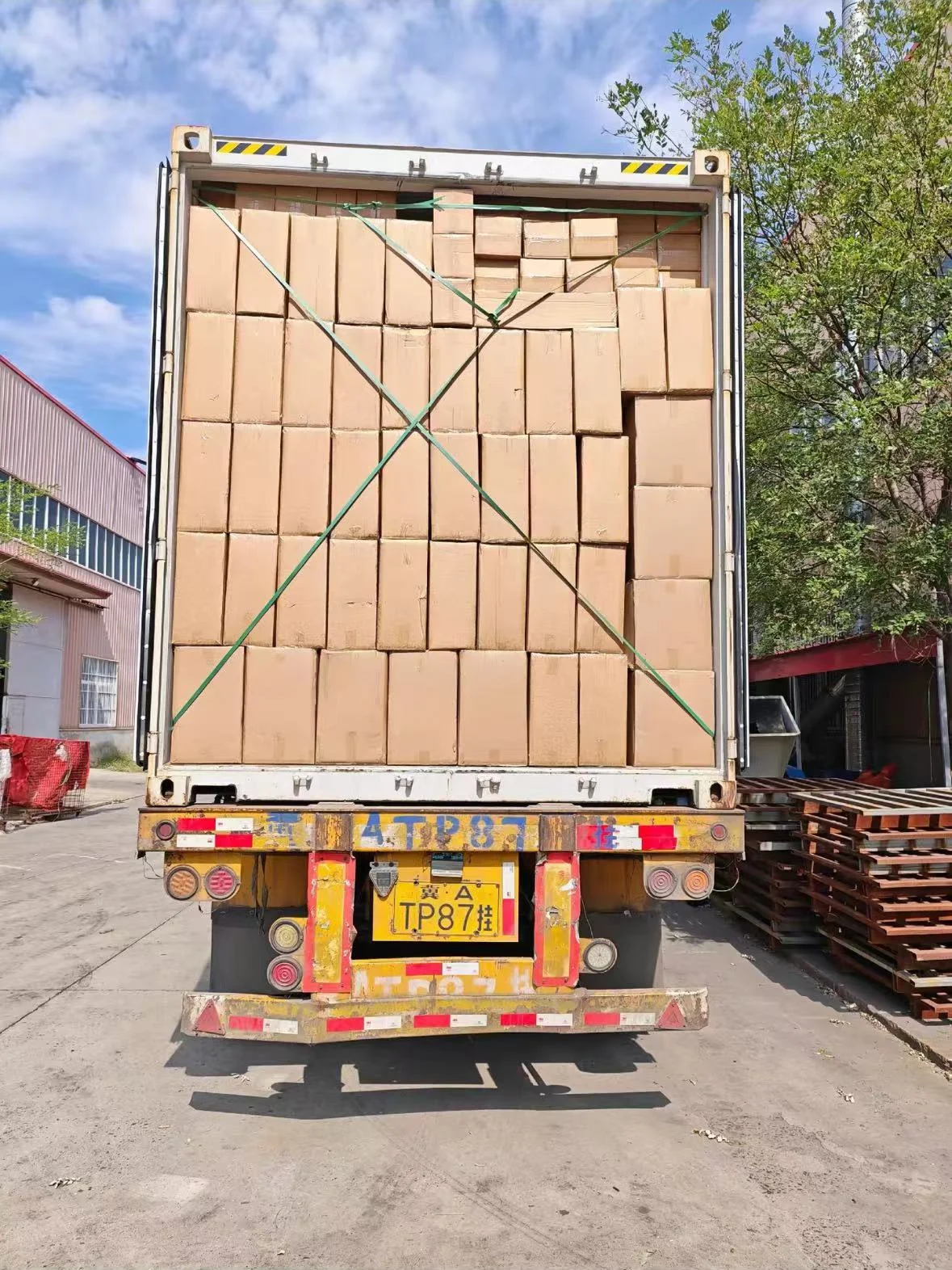
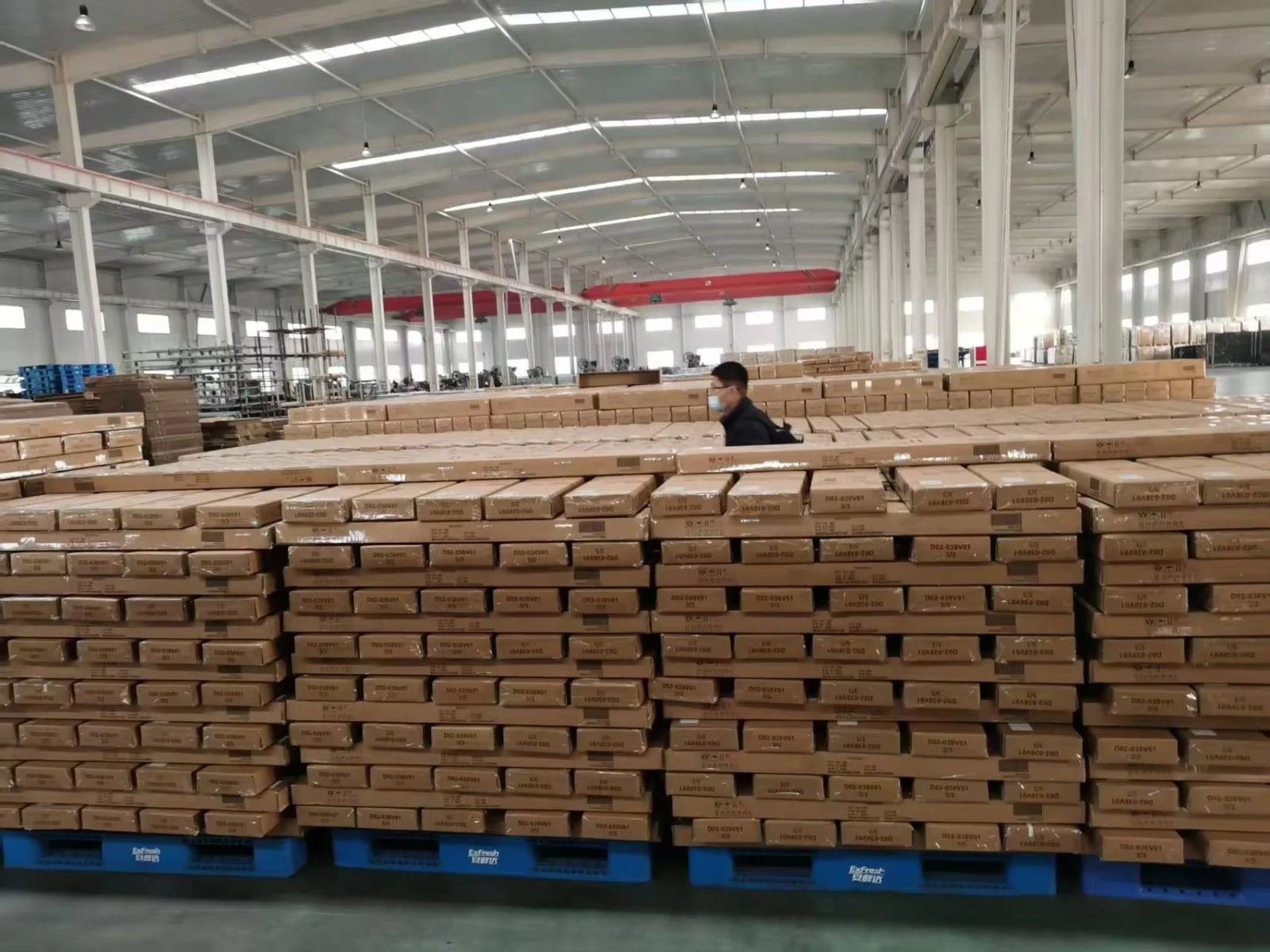
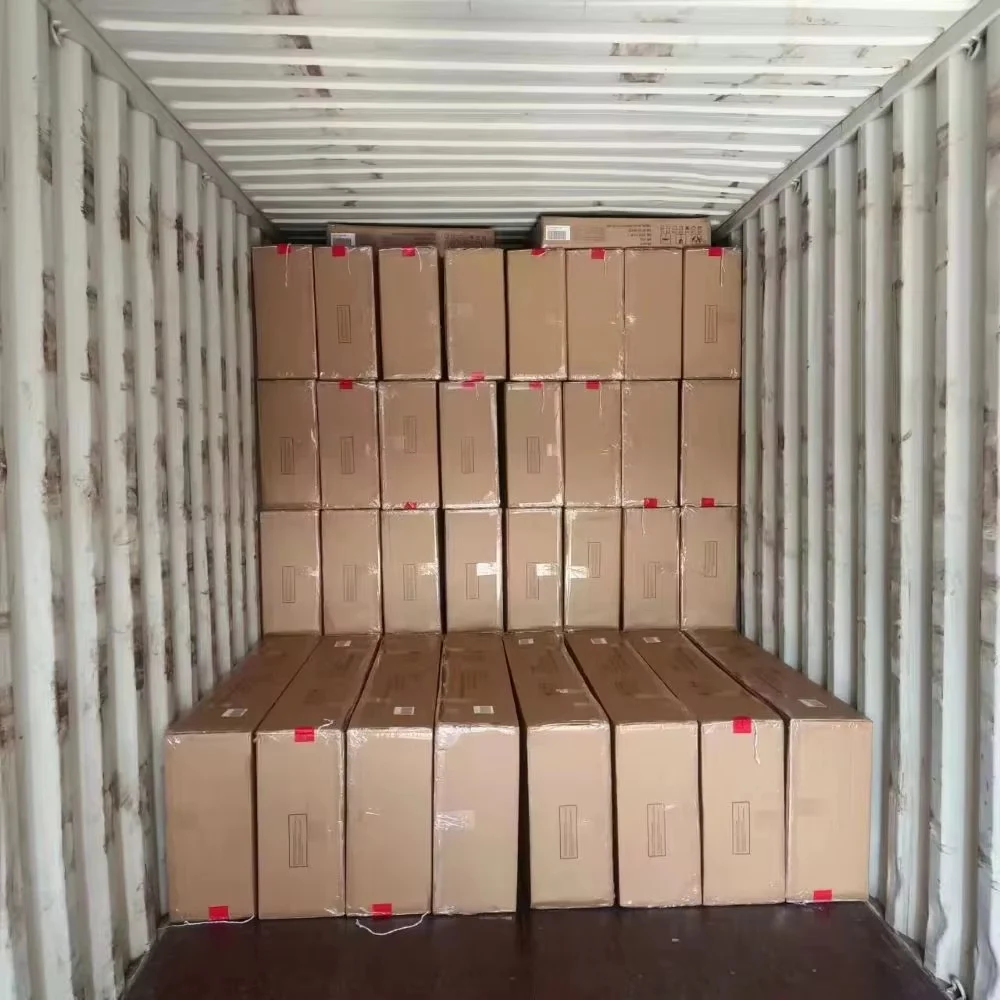
Packing is set by size. The 61 cm trap ships 10 sets per carton; the 66, 79 and 94 cm sizes ship 5 sets per carton; the 108 cm size and larger, which includes both coyote sizes, ship 1 set per carton. Carton dimensions are provided with your quote. Every trap folds flat before boxing, so a carton for a 150 cm trap is far smaller than the assembled trap.
Lead time is 20–30 days after order confirmation. Standard sizes that are in stock ship in about 15–20 days. For a first order with a new logo and retail packaging, plan at the longer end, because print and packing materials have to be produced before the run is packed. For repeat orders of the same specification, the shorter end is realistic. The wholesale buying guide covers lead time, payment and shipping in full.
Payment terms for a first order are T/T with 30% deposit and 70% before shipment. Repeat buyers can use L/C, and PayPal is also accepted. Traps ship from Tianjin, Shanghai, Shenzhen or another main Chinese port through your forwarder or ours.
Fitting the two coyote sizes into a wider range is straightforward. A common distributor line-up is 61 cm for rats, 79 cm for raccoons and cats, 94 cm for larger raccoons and foxes, and 130 cm for coyotes, with 150 cm added as the premium end. Buyers serving farms and rural customers often add 108 cm for foxes and beavers between the 94 cm and 130 cm steps. The large live animal trap guide covers the upper half of the ladder in detail, and the cage traps range page lists every size.
If you are unsure which of the two sizes to lead with, the trap size calculator gives a starting point based on the animal and the setting.
How a custom coyote trap order works
The process is the same for a first order of 10 sets and for a repeat order of hundreds.
Step 1: sample. Samples are free; the buyer pays the shipping. A sample lets you check wire, mesh, door action and finish in your own hands before you commit. Once you approve a sample, it becomes the reference for production, which removes most arguments later. For a private-label order, we can confirm logo placement and packaging on the sample stage.
Step 2: specification. You confirm sizes, door type, material, finish, logo and packaging, and the quantity of each. Because every size and option is made to order, this is the point to settle details such as carton printing and barcodes.
Step 3: quote and order. We quote per order by size, material, finish, quantity and packing. A 30% deposit starts production, and the 70% balance is due before shipment.
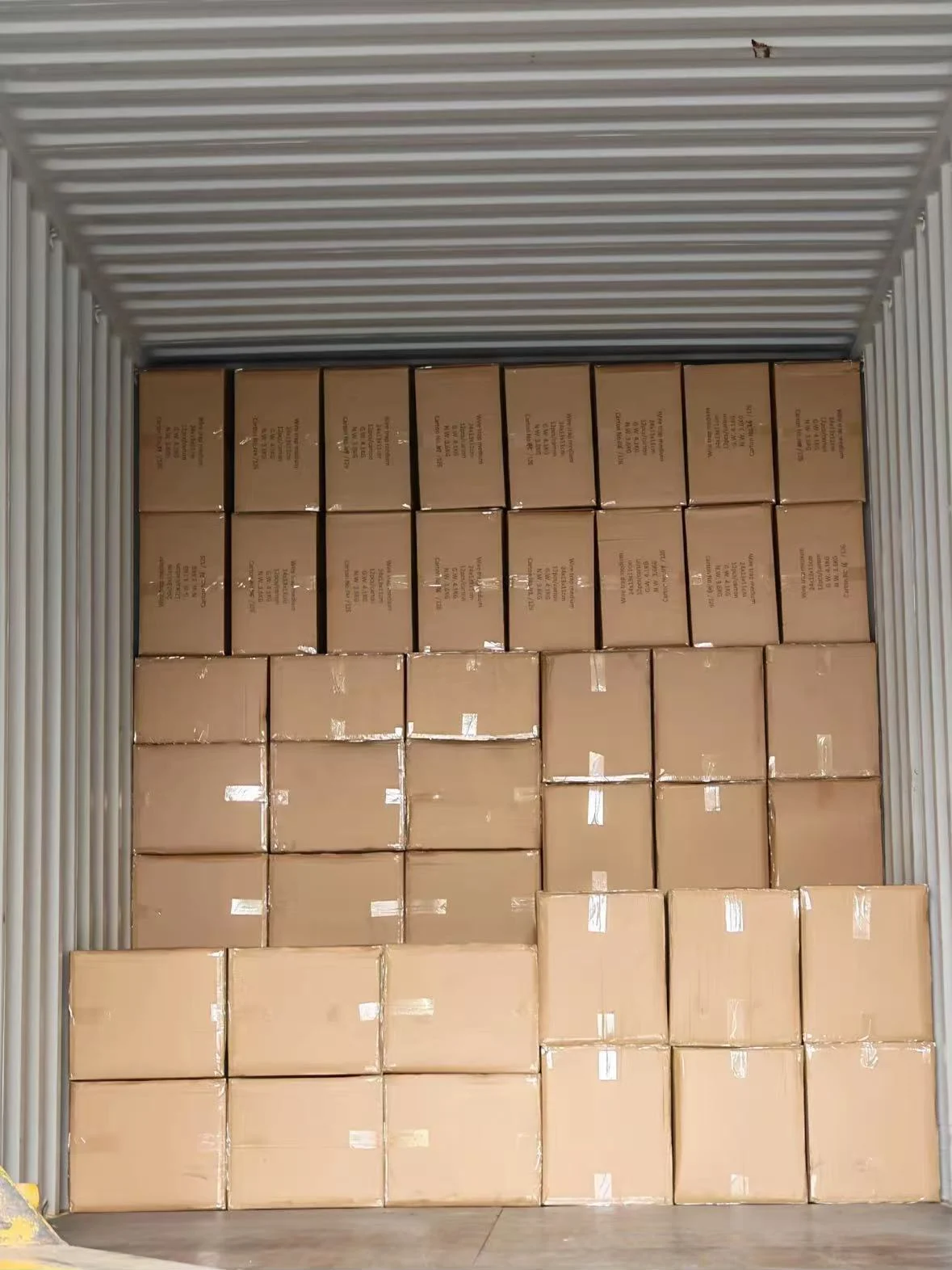
Step 4: production and packing. Production takes 20–30 days, or about 15–20 days for standard sizes in stock. Traps are folded and packed by the carton rules above.
Step 5: shipping. We book through a forwarder from Tianjin, Shanghai, Shenzhen or another main port. You can nominate your own forwarder if you have one.
We reply to every inquiry within 24 hours. If you are ordering for a program with a fixed start date, tell us the date in the first message rather than at the end; it affects whether we quote from stock or from a production run.
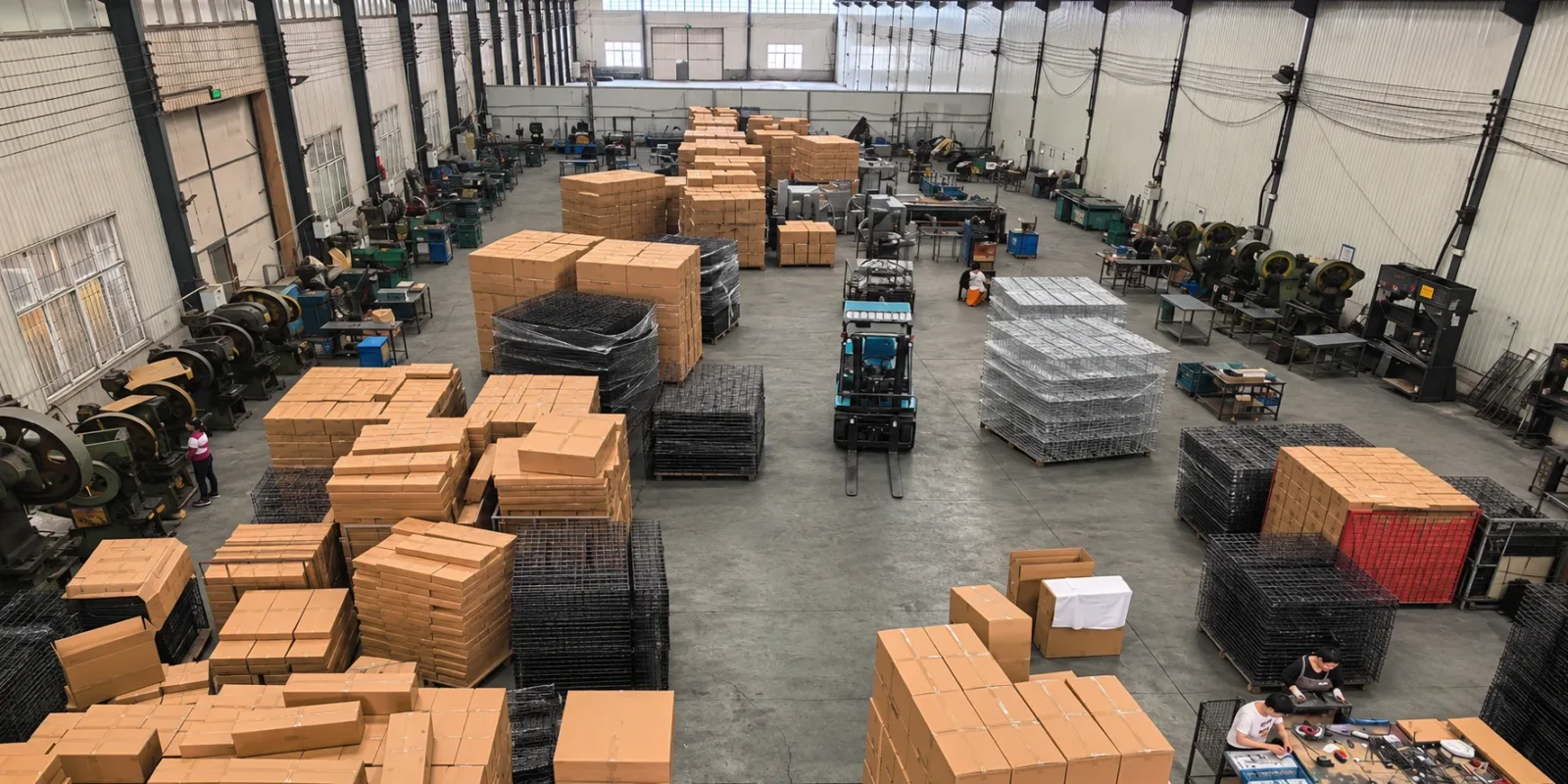
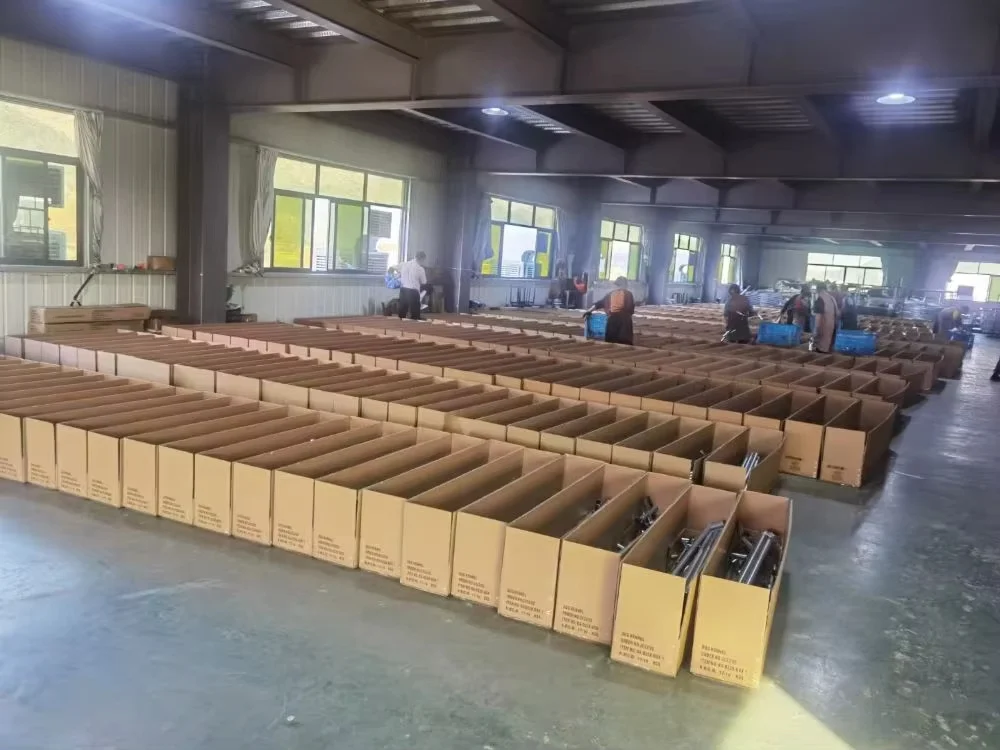
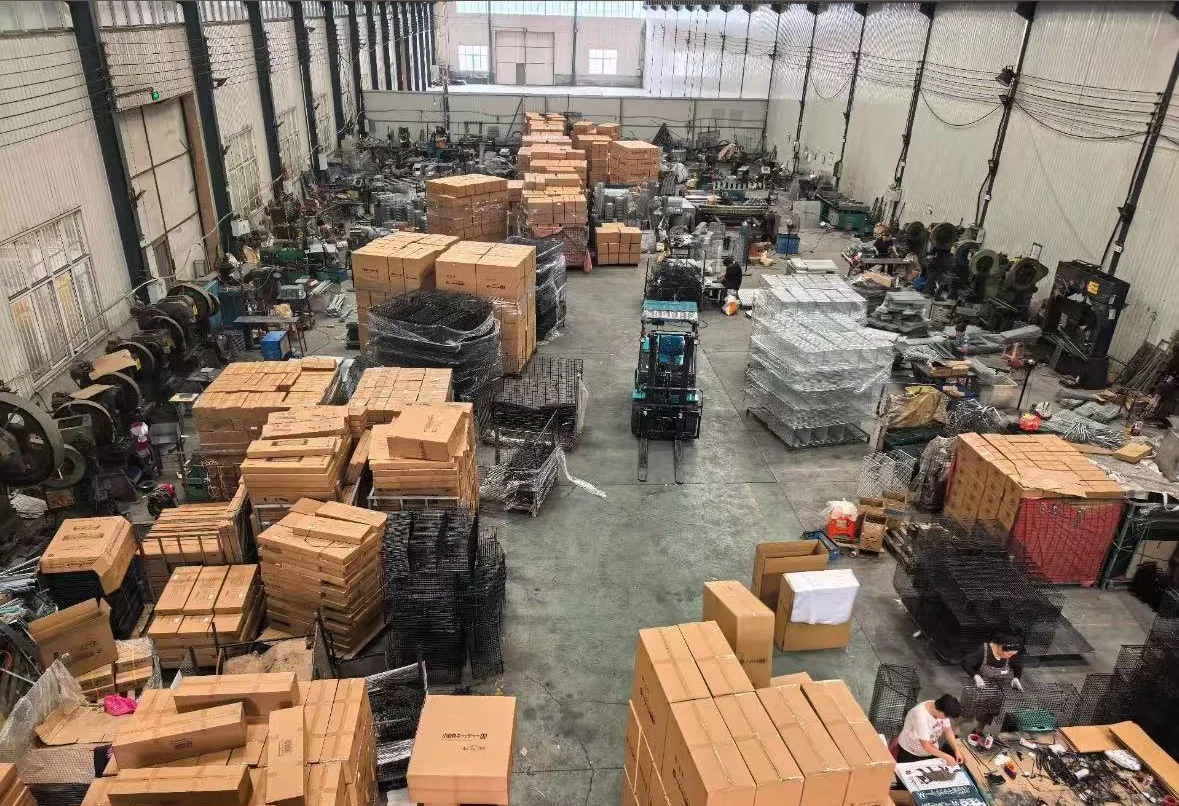
The company behind the trap is a factory-direct brand: Steelburrow is our own brand, made in our 4,000 m² factory in Hengshui, Hebei, China, where we have made cage traps for three years. You can read more on the factory page and see terms on wholesale.
What to tell us when you ask for a quote
Send these details and the quote comes back accurate the first time:
- The sizes you want, by centimetre or inch, and the quantity of each. If you are unsure between 130 cm and 150 cm, say which animal and which setting and we will advise.
- Door type: double or single.
- Material: galvanized steel wire as standard, or stainless steel on request.
- Finish: electro-galvanized silver, black powder or plastic coating.
- Logo and packaging: plain cartons, retail box, printed carton, insert, barcode, or none of these.
- Destination country and preferred port, so we can quote the shipping route correctly.
- Any deadline or launch date, so we can choose between stock and a production run.
If you are still comparing configurations, a free sample order is the cheapest way to settle the question. Email [email protected] or message us on WhatsApp, and we will come back within 24 hours. You can also request a quote here.
FAQ
What sizes do you make for coyotes?
The two coyote-oriented sizes are 130×45×50 cm and 150×50×55 cm, both with 4 mm wire and 5×5 cm mesh. The 130 cm weighs 11.5 kg and the 150 cm weighs 19.5 kg.
What is the minimum order for coyote traps?
10 sets, for standard and custom traps alike. Private label has no extra minimum beyond that.
Can I get a sample before ordering?
Yes. Samples are free and the buyer pays the shipping. Once you approve a sample it becomes the reference for production.
How long does production take?
20–30 days after order confirmation, or about 15–20 days for standard sizes in stock.
Are the traps single door or double door?
The standard model has two doors, and a single-door version is available in every size, including both coyote sizes.
Can the traps be made in stainless steel or black?
Standard material is galvanized steel wire. Stainless steel can be made on request, and black powder or plastic coating is available as a finish option.
How are the large traps packed?
The 108 cm size and larger, including 130 cm and 150 cm, ship 1 set per carton. Every trap folds flat before boxing.
What payment terms do you offer?
First orders are T/T with 30% deposit and 70% before shipment. Repeat buyers can use L/C, and PayPal is also accepted.
Request a Quote
Send your drawing or size list, the quantity and the delivery country, and we will reply with options and a quote. Request a quote.
Related Products and Guides
Request a quote
Tell us the product, size, quantity and delivery country. We reply by email or WhatsApp with a written quote.
More questions
Is a 130 cm trap big enough for a coyote? As a guide, yes for many coyotes: the 130×45×50 cm size is our typical-use match for coyotes and medium dogs. Buyers handling larger animals or needing more room past the trip plate usually move up to the 150×50×55 cm size. Both use 4 mm wire and 5×5 cm mesh.
Tell us what you need to source
Share the target animal, size, quantity and destination. We confirm specifications, packaging and pricing for each order.