
a humane animal trap is a live-catch cage trap: the animal steps on the trip plate, the doors close and lock, and it is caught alive and unhurt. For trade buyers the decisions that matter are size range, door style, material and finish, packing, and whether you buy standard or private label. Steelburrow makes these traps factory-direct in seven folding sizes from 61 cm to 150 cm, with a 10-set minimum order, free samples (you pay the shipping) and a 20–30 day lead time.
What This Humane Animal Trap Order Covers
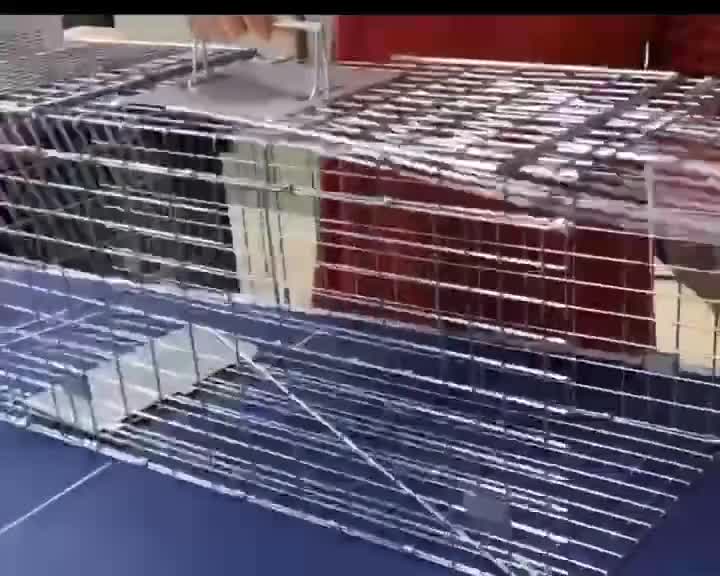
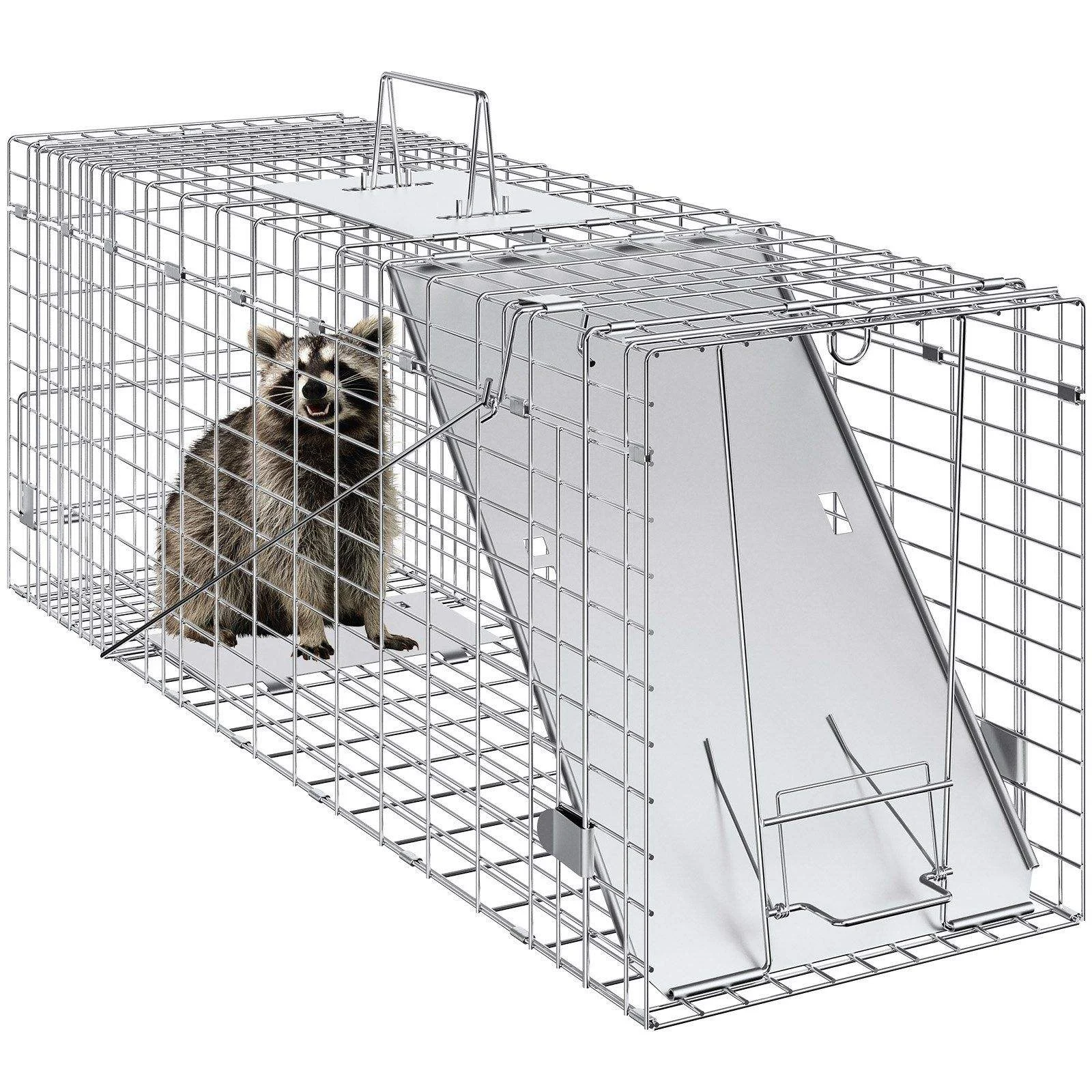
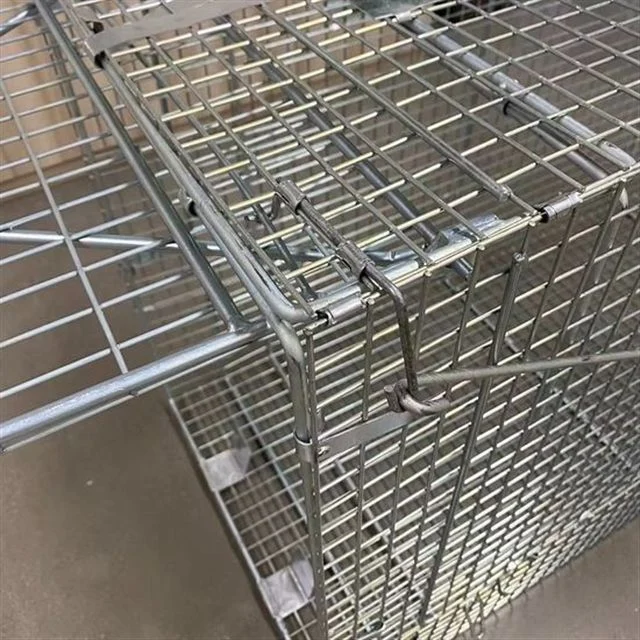
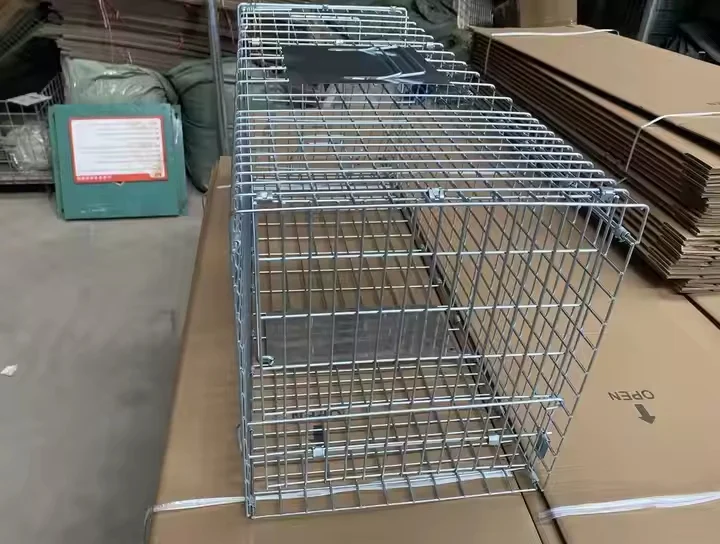
The product is a live animal cage trap. The animal steps on the trip plate and the doors close. Once triggered, the doors lock, so the animal cannot push them open from inside. The animal stays alive, which is the whole point for pest-control companies working to welfare standards, rescue and TNR groups, and distributors selling to households that do not want a lethal result.
All seven sizes are the same design made in proportion, and all fold flat for shipping and storage. The size, wire and mesh values are listed in the specification table below, size by size. If you are new to live-catch work, our guide to setting a live animal trap covers the field basics your customers will ask about.
The range is built for the traders this factory serves: distributors, pest-control companies, rescue and TNR organizations, and private-label sellers including Amazon sellers. The order structure below lets all of them buy from the same range with the same 10-set minimum: size, door type, material, finish, logo and packaging can be made to your request.
What the range does not do is replace judgement. A trap is only humane if it is the right size for the animal and is checked regularly once set. Size, mesh and wire are the three specification levers you control as a buyer, and they decide whether the trap suits rats or coyotes. The rest of this guide walks through the options, then packing and the order process. General guidance on animal handling and release should always be read alongside your local rules.
What You Can Customize on a Humane Animal Trap
Customisation is not an afterthought here: size, door type, material, finish, logo and packaging can all be made to your request, and private label carries no extra minimum beyond the standard 10 sets. That is worth understanding option by option.
Size. You can order any mix of the seven standard sizes, or request a custom size. A wide range gives you flexibility to serve different jobs, while a narrow range is easier to display and explain; which matters more depends on whether you sell to professionals or to households.
Door type. The standard model has two doors, and a single-door version is available in every size. Two doors let an animal see straight through the trap, which helps with cautious species that will not commit to a dark box. A single door gives a closed back wall, which some buyers prefer for cats and for bait placement at the far end. There is a full comparison in our single-door vs double-door guide.
Material. The standard is galvanized steel wire. Stainless steel and other materials can be made on request. Galvanized is the practical default for most markets: it is what the standard range is built from and it suits outdoor use. Stainless is a request-only option, so plan it into your enquiry rather than assuming it is a stock line.
Finish. Standard finish is electro-galvanized silver. Black powder coating or plastic coating can be ordered. Finish is largely a shelf-appeal and brand decision; black reads as a consumer product, silver as a working tool. Whichever you choose, describe it clearly in your enquiry so the sample matches production.
Logo and packaging. Logos and packaging are made to your request, which is what makes the private-label route workable for online sellers. Retail boxes, printed cartons and inserts are the usual requests. See OEM and private label for how that side is handled.
What you cannot change. The trip mechanism logic is fixed by the design: the animal steps on the plate, the doors close and lock. There is no separate bait compartment behind a divider, and it is better to know that now than to design packaging around a feature that does not exist. The bait area sits behind the trip plate with no partition.
Options and Specifications of a Humane Animal Trap
The table below is the core of the buying decision. Read it across, not down: a size is a bundle of length, wire, mesh and weight, and each of those changes what the trap is good for.
| Size (L×W×H) | Wire | Mesh | Weight | Typical use (guide) |
|---|---|---|---|---|
| 61×18×21 cm (24×7×8 in) | 2 mm | 2.5×2.5 cm | 1.9 kg | Rats, chipmunks, small squirrels |
| 66×23×26 cm (26×9×10 in) | 2.5 mm | 2.5×2.5 cm | 3.2 kg | Squirrels, rabbits, mink |
| 79×28×33 cm (31×11×13 in) | 2.5 mm | 2.5×2.5 cm | 4.3 kg | Raccoons, feral cats, opossums, groundhogs |
| 94×34×37 cm (37×13×15 in) | 2.5 mm | 2.5×2.5 cm | 6 kg | Large raccoons, groundhogs, cats, foxes |
| 108×40×45 cm (43×16×18 in) | 3 mm | 5×5 cm | 8 kg | Foxes, beavers, large raccoons, small dogs |
| 130×45×50 cm (51×18×20 in) | 4 mm | 5×5 cm | 11.5 kg | Coyotes, medium dogs |
| 150×50×55 cm (59×20×22 in) | 4 mm | 5×5 cm | 19.5 kg | Large dogs, coyotes |
The “typical use” column is our sizing judgement based on common North American practice, not a rule from the factory, and animal sizes vary by region. Treat it as a starting point and adjust for what your customers actually catch.
Two patterns in the table are worth teaching your own customers. First, mesh and wire step up together. The four smaller sizes use 2.5×2.5 cm mesh and 2–2.5 mm wire, which keeps small animals secure and keeps small heads from slipping through. The 108 cm size and larger step to 5×5 cm mesh and heavier wire, because the target animals are bigger and push harder. Second, weight climbs with size, from 1.9 kg to 19.5 kg. A 19.5 kg trap is not something a homeowner carries easily, so large sizes are more often sold to professionals and rescue teams than to casual buyers.
Door style is an option across the whole table: standard double door, or single door in every size. If you plan to stock one size in two door types, be clear about which is the lead SKU, because mixed door styles complicate packing and carton labelling. For a deeper walk-through of the size ladder, see the cage trap size guide.
Where a Humane Animal Trap Is Used
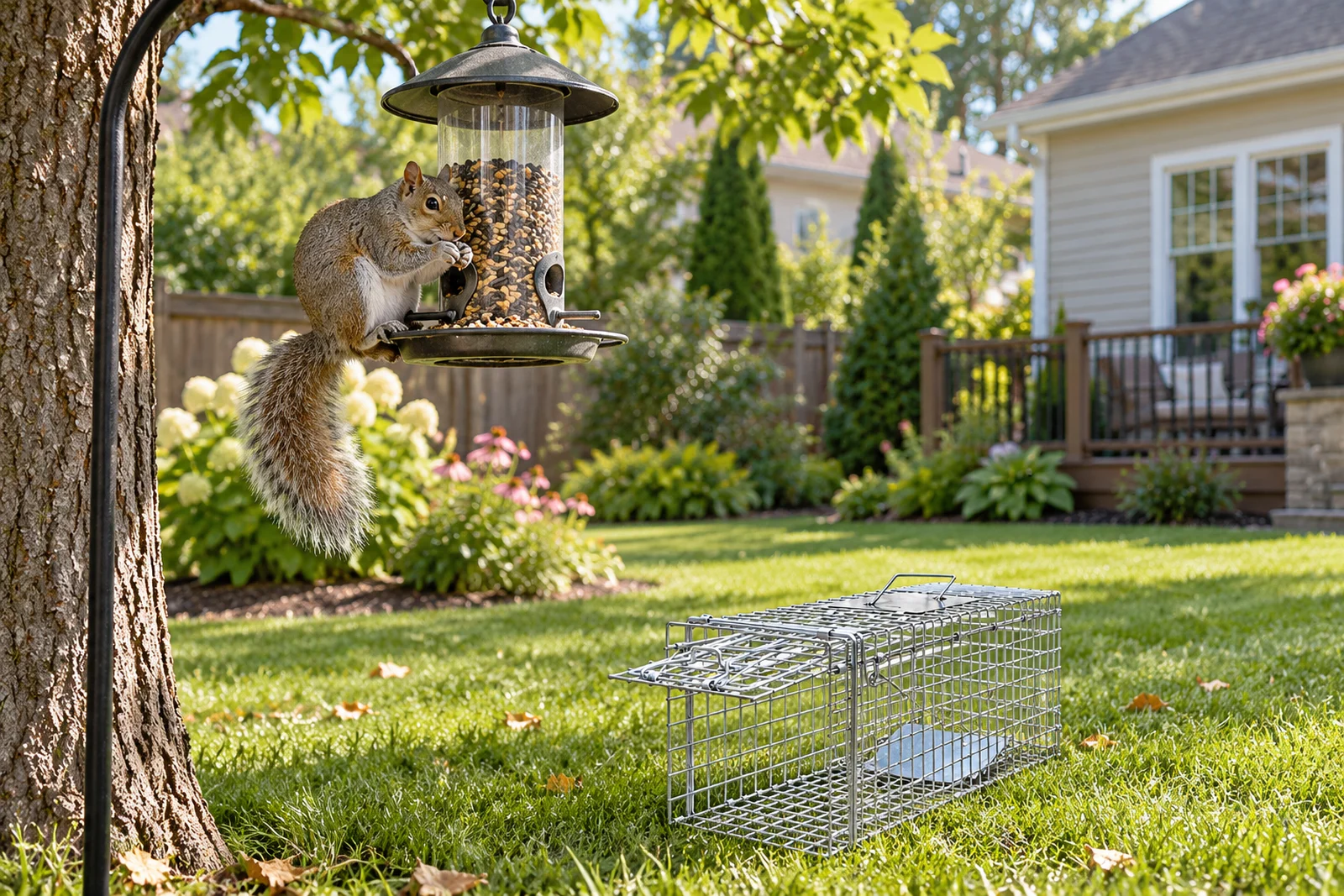
Live-catch traps are used wherever an animal needs to be removed alive: attics, garages, sheds, gardens, commercial premises and farmland. The use case decides the size and the door style more than anything else.
Rodent and small-mammal work. The 61 cm and 66 cm sizes suit rats, chipmunks, squirrels, rabbits and mink. These are the sizes most often sold to households and to hardware retailers, and they are also the sizes most likely to be re-ordered in volume, because small-animal problems are common and recurring. Mesh is tight at 2.5×2.5 cm, which is what you want for small heads.
Raccoon, cat and groundhog work. The 79 cm and 94 cm sizes are the middle of the range and the busiest for pest-control companies. Raccoons, feral cats, opossums and groundhogs all sit in this band, and the 94 cm gives extra length for large raccoons and foxes. Rescue and TNR groups tend to live in this band too; our TNR trap guide goes through the cat-specific considerations.
Fox, coyote and dog work. The 108, 130 and 150 cm sizes are built for stronger animals: foxes, beavers, large raccoons and small dogs at 108 cm, coyotes and medium dogs at 130 cm, large dogs and coyotes at 150 cm. These are professional sizes. Wire goes to 3 mm and then 4 mm, and mesh opens to 5×5 cm, because a strong animal tests the frame. Buyers working this end of the range should read the coyote trap notes before specifying.
Attic, garden and commercial premises. Where the animal is entering a building, a smaller trap placed at the entry point often works better than a large one in the middle of a room. Where the animal is raiding a garden or bin store, bait placement and cover matter more than size. Our raccoon setup guide and the squirrel trap buyer guide cover the field side for two common species. Our applications page groups the range by job.
Retail and resale. Distributors and online sellers use the same traps as consumer products, so packaging, finish and clear use instructions matter as much as the wire. That is why the private-label option exists. You can see the finished range on the cage traps page and the business side on the wholesale page.
Key Trade-offs When Choosing a Humane Animal Trap
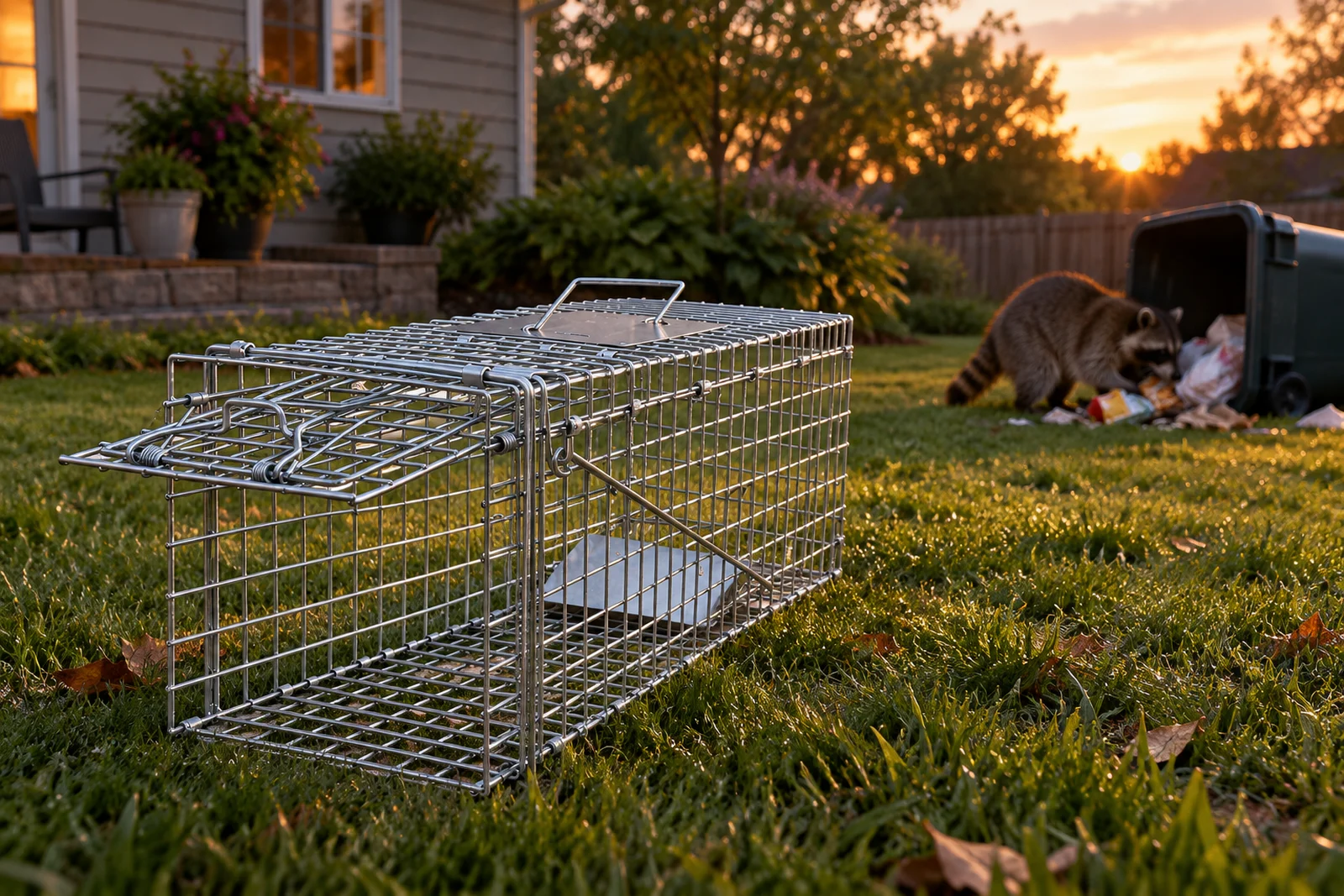
Most buying mistakes come from optimising one variable and ignoring the rest. These are the trade-offs worth thinking through before you place an order.
Range vs depth. Seven sizes looks like a strong catalogue, but stocking all seven in quantity ties up cash and shelf space. A narrow, deep range sells through faster and is easier to explain to staff. A wide range wins enquiries from professionals who need a specific size. The usual compromise is to stock three or four sizes deeply and list the rest as order-in items.
Length vs portability. Longer traps are more humane for bigger animals because the whole animal clears the trip plate before the door closes, but they are heavier and bulkier. A 150 cm trap weighs 19.5 kg. If your customers are homeowners, a 94 cm trap they can carry is more useful than a 150 cm trap they cannot. If your customers are professionals with vehicles, the large sizes are the differentiator.
Mesh vs strength. Fine mesh keeps small animals in and is the right call for rodents and squirrels. Coarse mesh on large traps reduces weight and lets big animals see through, but it is the wrong choice for anything small. Buying a large trap to catch a small animal is a common mistake: the animal can slip through the 5×5 cm mesh or walk past the plate. Match the size to the animal first, then accept the mesh that comes with it.
Double vs single door. Two doors suit trap-shy species because the animal sees daylight beyond the plate. A single door suits cats and bait-at-the-back setups. The mistake is treating door style as a cost decision; it is a behaviour decision. Some buyers stock both for the busiest mid sizes and pick one door type for the extremes. Our door comparison explains how each behaves in the field.
Live-catch vs lethal. Some buyers also stock kill traps. Live-catch suits welfare-led and relocation work, but it requires the buyer to plan release or hand-over, and local rules on relocating wildlife differ by region, so check what applies where you sell. If your customers ask why you stock live-catch at all, point them to our live cage trap vs lethal trap explainer.
Standard vs custom. Standard galvanized silver in the shelf sizes is the fastest path to revenue. Custom finish and branded packaging lift shelf appeal and price, but add a step to production and must be locked before the sample is approved. Do not customise on the first order until you know which sizes sell.
Packing, Lead Time and Fitting a Humane Animal Trap
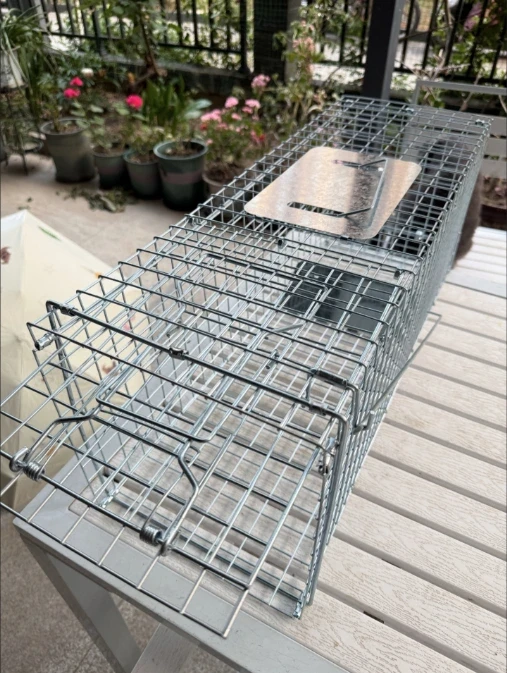
Every trap folds flat, which is what makes freight economics work for a bulky product. Packing changes with size: 10 sets per carton for the 61 cm, 5 sets for the 66, 79 and 94 cm, and 1 set for the 108 cm and larger. Carton dimensions are provided at enquiry, so you can quote freight accurately rather than guessing at dimensional weight.
Lead time is 20–30 days after order confirmation, and about 15–20 days for standard sizes in stock. Samples are free but the buyer pays the shipping. Production orders use T/T with a 30% deposit and 70% before shipment on the first order; L/C is available for repeat buyers and PayPal is accepted. Traps ship through forwarders from Tianjin, Shanghai, Shenzhen and other main China ports. The full commercial detail is in our wholesale buying guide.
Fitting is mostly about three checks. First, confirm door clearance against your intended animal: an animal that has to crouch at the opening may not enter at all. Second, check the folded footprint against your storage and shelf plan, because 10-set cartons are heavy and want floor space. Third, check the trap weight against how it will be handled after the catch; a rescue volunteer carrying a loaded 130 cm trap needs a plan. Small sizes with a single door are easiest for one-person handling, which is why they dominate TNR and small-mammal work. The trap size calculator is a quick way to map an animal to a size before you commit to a SKU list.
How a Custom Order Works with a Humane Animal Trap
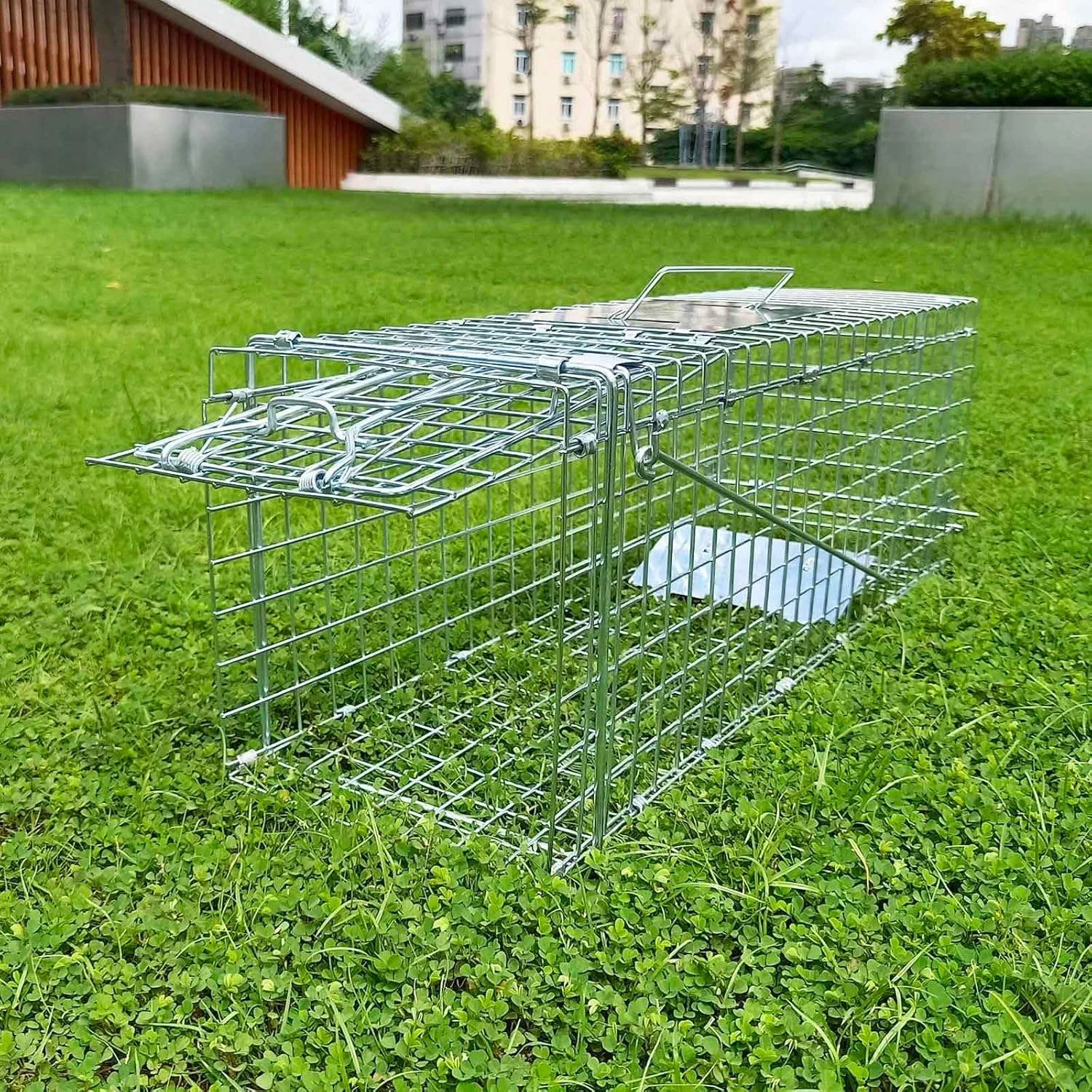
A custom order starts with the animal list and the market. Tell us the species your customers catch, the quantities per size, door style, finish, and whether you need your logo and packaging. Because private label carries no extra minimum beyond the 10 sets, a small first run under your own brand is realistic. That keeps the risk low while you test which sizes move.
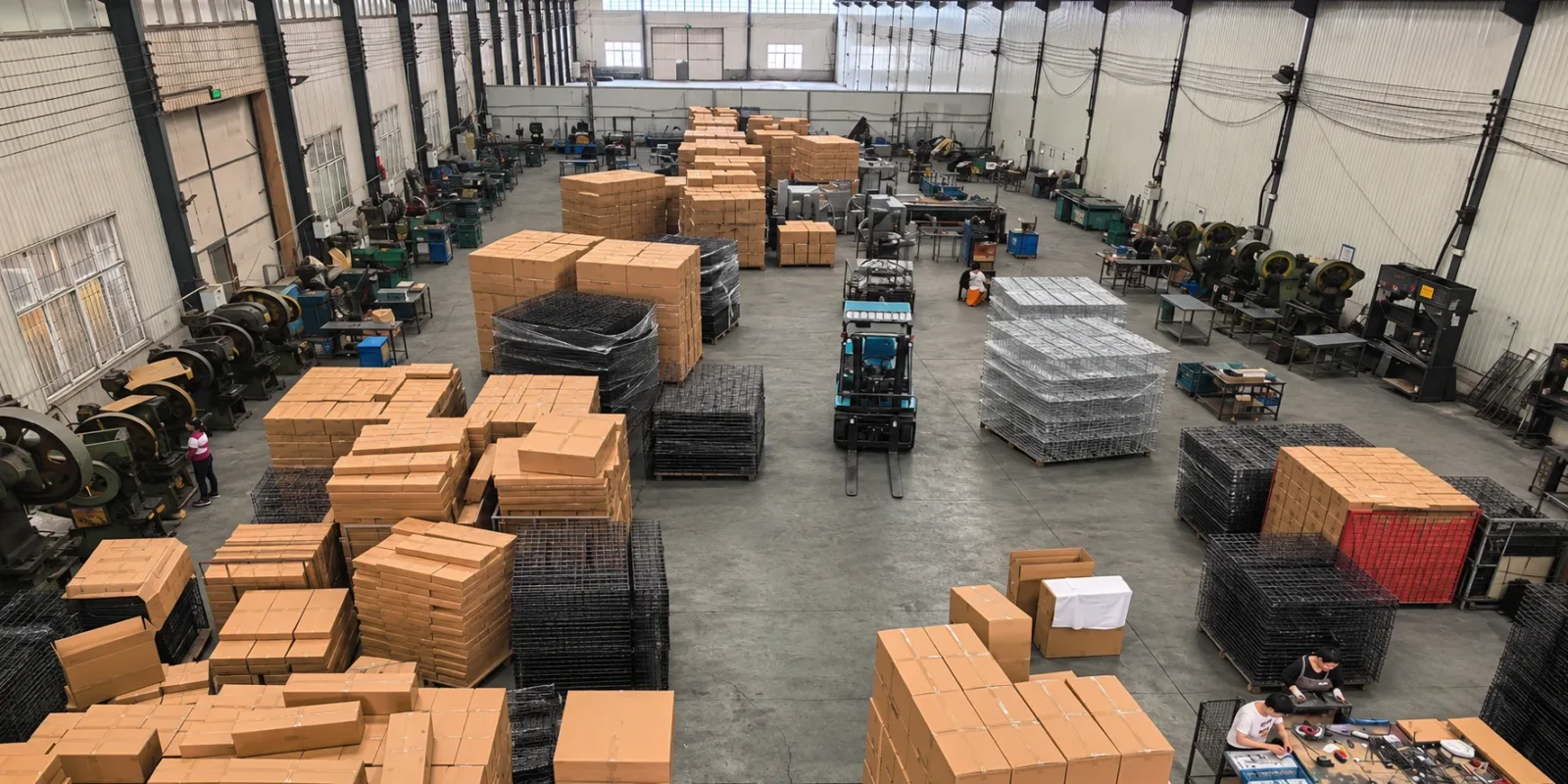
The sequence is straightforward. You send the specification, we confirm it and quote per size, material, finish, quantity and packing, then send a sample for approval. Once the sample is signed off, it becomes the production reference, and the run ships 20–30 days after order confirmation. The factory is a 4,000 m² site in Hengshui, Hebei, China, and has made cage traps for three years; see the factory page and about us for background.
Two habits make custom orders go smoothly. First, approve the sample on the exact finish and packing you will sell, not a stand-in, because that is what production matches. Second, keep your size ladder honest: a private-label line with ten SKUs is hard for a retailer to display, while four well-chosen sizes plus a reorder path sells better. For a plain-language comparison of the routes, the guides hub links every buying and field guide on the site.
Buying for resale or a program? Minimum order is 10 sets, samples are free (you pay the shipping) and we reply to every inquiry within 24 hours. Request a quote →
FAQ
What is a humane animal trap?
It is a live-catch cage trap: the animal steps on a trip plate, the doors close and lock, and it is caught alive and unhurt. Steelburrow makes them in seven folding sizes from 61 cm to 150 cm.
What is the minimum order?
10 sets, for standard and custom traps alike. Private label carries no extra minimum beyond those 10 sets.
Are samples free?
Yes. Samples are free; the buyer pays the shipping. Once you approve a sample, it becomes the reference for production.
How long does production take?
20–30 days after order confirmation, or about 15–20 days for standard sizes in stock.
Can I put my own brand on the traps?
Yes. Size, door type, material, finish, logo and packaging can be customised, still from 10 sets.
Do you offer stainless steel?
The standard material is galvanized steel wire; stainless steel can be made on request.
Which sizes should a distributor stock first?
A common starting point is a small size for rodents and squirrels, a mid size around 79–94 cm for raccoons and cats, and a large size for foxes and dogs. The typical-use column is a sizing guide, not a rule.
How are the traps packed?
Every trap folds flat. Packing is 10 sets per carton for the 61 cm, 5 sets for the 66, 79 and 94 cm, and 1 set for the 108 cm and larger; carton sizes are provided at enquiry.
Request a Quote
Send your drawing or size list, the quantity and the delivery country, and we will reply with options and a quote. Request a quote.